



DIY turf installation and professional installation differ mainly in build quality, drainage engineering, and long-term performance. A homeowner can complete the work independently, but a professional builds a layered system designed to prevent settling, drainage failure, and premature wear. The real decision is not just cost; it is whether the installation is treated as a simple project or a long-term engineered surface.
Key Differences Between DIY and Professional Turf Installation
Artificial turf is not just rolled out like carpet. It functions as a structured system with a foundation, drainage layer, and finished surface. Most failures come from what happens below the surface, not on top of it.
Comparison Table: DIY vs Professional Installation
| Factor | DIY Installation | Professional Installation |
| Planning | Minimal or informal | Site-specific engineering plan |
| Base Work | Hand-leveled soil and gravel | Compacted, graded aggregate base |
| Drainage | Often not engineered | Designed a water flow system |
| Equipment | Rental tools | Commercial-grade machinery |
| Seams | Visible or uneven | Tight, bonded seams |
| Finish Quality | Variable | Consistent and uniform |
| Longevity | Unpredictable | Long-term stability |
| Risk of Failure | Higher | Lower due to controlled process |
The most important factor is the foundation layer, which determines whether the surface stays stable or develops dips and drainage issues over time.
Why the Foundation Determines Everything
The sub-base is the structural backbone of any turf system. Professionals approach it like groundwork for a patio or driveway, not landscaping soil.
A proper base typically includes:
- Removal of organic material to prevent decomposition
- Installation of crushed aggregate or decomposed granite
- Layered mechanical compaction for density
- Grading to ensure controlled drainage
- Final leveling for surface uniformity
If this stage is rushed or done incorrectly, the turf may initially look fine but later develop:
- Soft or sinking areas
- Standing water after rain
- Uneven walking surfaces
- Edge lifting near borders
These issues are difficult to fix without removing the turf.
Cost vs Long-Term Value
DIY installation is usually chosen for upfront savings, but long-term cost is influenced by performance and maintenance needs.
DIY Cost Factors
- Turf materials
- Base aggregate materials
- Rental equipment (compactor, cutter, roller)
- Adhesives and seam materials
- Potential correction or replacement costs
Professional Cost Factors
- Site evaluation and layout planning
- Skilled labor
- Commercial equipment usage
- Waste removal
- Workmanship warranty
While DIY may reduce initial spending, corrections for drainage or leveling issues can quickly offset those savings.
Real-World Conditions That Change the Outcome
Every yard presents different soil, slope, and drainage conditions. These variations are where professional experience becomes especially important.
In Seminole Heights, uneven soil density required additional compaction passes to stabilize the ground before turf could be installed properly.
In South Tampa, narrow side-yard layouts required precise seam planning to maintain a consistent visual direction across tight spaces.
In Carrollwood, clay-heavy soil required enhanced drainage layers to prevent seasonal water retention after heavy rainfall.
These kinds of site-specific challenges are rarely obvious at the beginning of a DIY project, but strongly affect long-term performance.
Professional Installation Process Explained Clearly
Understanding the process helps explain why professional results are more consistent.
1. Site Evaluation
- Soil condition and drainage review
- Slope measurement
- Usage planning (pets, recreation, aesthetics)
2. Excavation
- Removal of grass and organic matter
- Controlled digging to design depth
3. Base Construction
- Installation of aggregate base
- Layered compaction for strength
- Grading for controlled drainage
4. Weed Barrier Layer
A permeable fabric is installed to block weed growth while allowing water flow.
5. Turf Placement and Seaming
- Rolls aligned by fiber direction
- Seams are bonded using adhesive or heat welding
- Precision trimming for edges
6. Infill Application
- Silica sand for stability
- Optional cushioning infill for comfort or pets
7. Final Grooming
- Power brushing to lift fibers
- Final leveling checks
- Drainage verification
Each step builds on the previous one, which is why skipping or rushing any stage affects the entire system.
Subgrade Depth and Soil Conditions: Why One Size Does Not Fit All
Not all residential yards require the same excavation depth or base profile. Subgrade design varies significantly based on soil composition, intended usage, and drainage behavior. This is one of the most overlooked distinctions between DIY and professional installation.
Clay-heavy soils typically require deeper excavation and more aggressive drainage correction, while sandy soils may require stabilization to prevent base migration over time. Professionals adjust base depth and material thickness based on site conditions rather than applying a uniform template.
Key variables that influence subgrade design include:
- Soil permeability and compaction behavior
- Expected foot traffic load
- Local rainfall intensity and drainage slope
- Adjacent structures or hardscape interfaces
When this step is standardized instead of customized, residential turf installation in Tampa is far more likely to experience long-term performance issues such as settling, uneven surfaces, and water retention, making site-specific preparation essential for a safe and durable play surface.
Performance Factors That Affect Turf Longevity
Drainage Function
Good drainage prevents odor, pooling, and surface breakdown. It depends on slope and base permeability, not just the turf itself.
Seam Strength
Seams are a common failure point in DIY installations. Poor alignment or bonding leads to visible lines and separation.
Fiber Recovery
Turf fibers need proper infill to stay upright and resist matting from foot traffic.
Heat Exposure
Artificial turf absorbs heat. Material selection and infill choice can influence surface temperature in exposed areas.
How Maintenance Differs Between DIY and Professional Installations
Maintenance requirements for artificial turf are often underestimated, and the installation method directly impacts long-term upkeep demands. Professionally installed systems typically require less corrective maintenance because the base and drainage layers are engineered to remain stable over time.
DIY installations, by contrast, may require ongoing adjustments such as re-leveling infill, correcting seam separation, or addressing localized drainage problems, whereas residential turf installation services are designed to minimize these issues through proper preparation, professional installation techniques, and long-term performance planning.
Typical maintenance differences include:
- Brushing frequency: Higher in DIY installs due to faster fiber matting
- Infill redistribution: More common in uneven or poorly compacted bases
- Drainage clearing: Necessary if the water flow was not properly engineered
- Edge repair: More frequent when perimeter anchoring is weak
In a properly installed system, maintenance is largely cosmetic. In a poorly constructed system, it often becomes structural.
Key Turf System Terms
Pile Height
The length of synthetic fibers affects softness and visual appearance.
Face Weight
The density of fibers per square yard; higher values typically mean better durability.
Infill Depth
The amount of material used between fibers to stabilize the system.
Permeability Rate
How quickly water passes through the turf backing and base system.
Base Compaction
The density and stability of the foundation layer supporting the turf.
Common Misconception: Turf Installation Is Just Laying Grass
A common misconception is that turf installation is only about rolling out synthetic grass and trimming the edges.
In reality, the visible turf layer is only the final part of a multi-layer system. Most performance issues originate from:
- Improper grading
- Insufficient compaction
- Poor drainage planning
- Uneven base thickness
DIY installations often underestimate how technical the groundwork actually is.
Residential Turf Applications and Market Demand
Artificial turf is widely used in residential environments, such as:
- Backyard landscaping replacement
- Pet-friendly yards
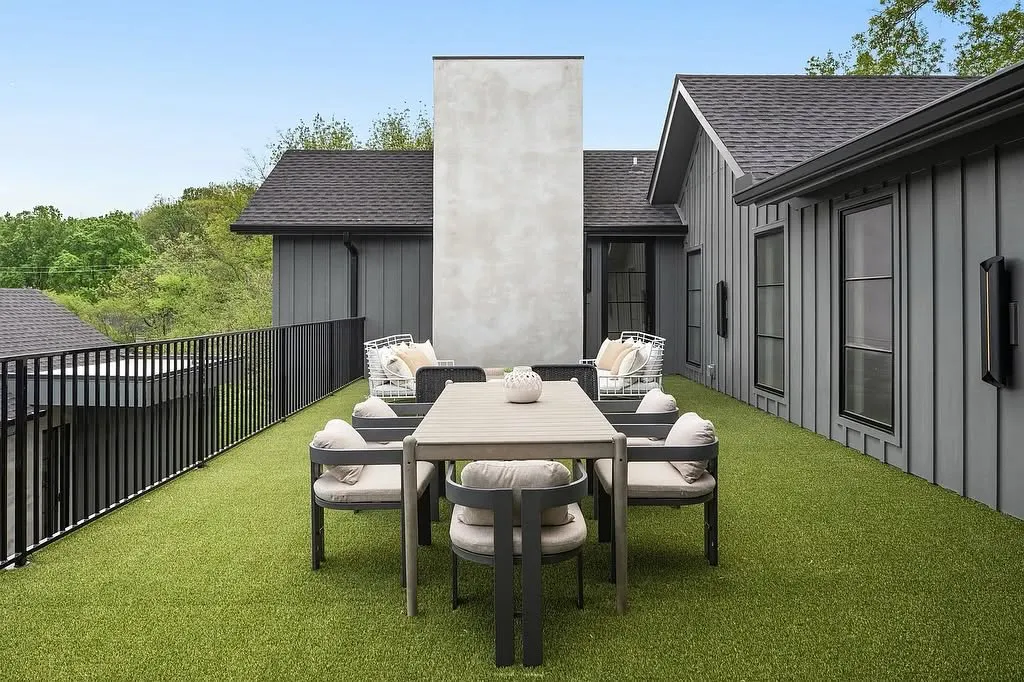
- Rooftop and patio surfaces
- Pool surrounds
- Low-maintenance front yards
In areas where homeowners search for residential turf in Tampa, FL, demand is often driven by water conservation needs and the desire for year-round usable outdoor spaces. In these environments, professional installation ensures the system performs consistently despite seasonal rain patterns and varying soil types.
A properly executed installation is not just about appearance; it is about long-term usability and reduced maintenance.
Why Professional Installation Protects Long-Term Value
A turf system should be viewed as a long-term property improvement rather than a short-term landscaping upgrade.
Professional installation reduces future costs by:
- Preventing structural settling
- Improving drainage reliability
- Extending turf lifespan
- Reducing maintenance needs
This is similar to other protective systems used in high-value asset maintenance, where upfront precision reduces long-term repair cycles.
When handled correctly, residential turf installation creates a stable surface that performs consistently for years without major intervention, providing homeowners with a durable, low-maintenance lawn that retains its appearance and functionality over time.
In Summary
The difference between DIY and professional residential turf installation comes down to whether the project is treated as surface decoration or as a structured outdoor system. DIY installation can reduce upfront cost, but it carries a higher risk of drainage issues, uneven settling, and reduced lifespan.
Professional installation focuses on engineering the foundation correctly from the start, resulting in a more stable, durable, and low-maintenance surface over time.
For homeowners looking for long-term performance and fewer future issues, working with an experienced installer such as Beacon Turf is the more reliable choice, helping ensure the turf is installed correctly for lasting durability, safety, and consistent performance.
To learn more or schedule a consultation, contact us today.
Frequently Asked Questions
What is the biggest difference between DIY and professional turf installation?
The biggest difference is sub-base engineering, which determines drainage and long-term stability.
Why do DIY turf installations often fail?
Most failures come from poor compaction, incorrect grading, and inadequate drainage design.
How long does professionally installed turf last?
Typically 10–20 years, depending on usage and maintenance.
Can turf be installed over existing grass?
No. Organic material must be removed to prevent decay and instability.
Is professional installation worth it?
For most residential properties, yes. It reduces long-term repair costs and improves durability.